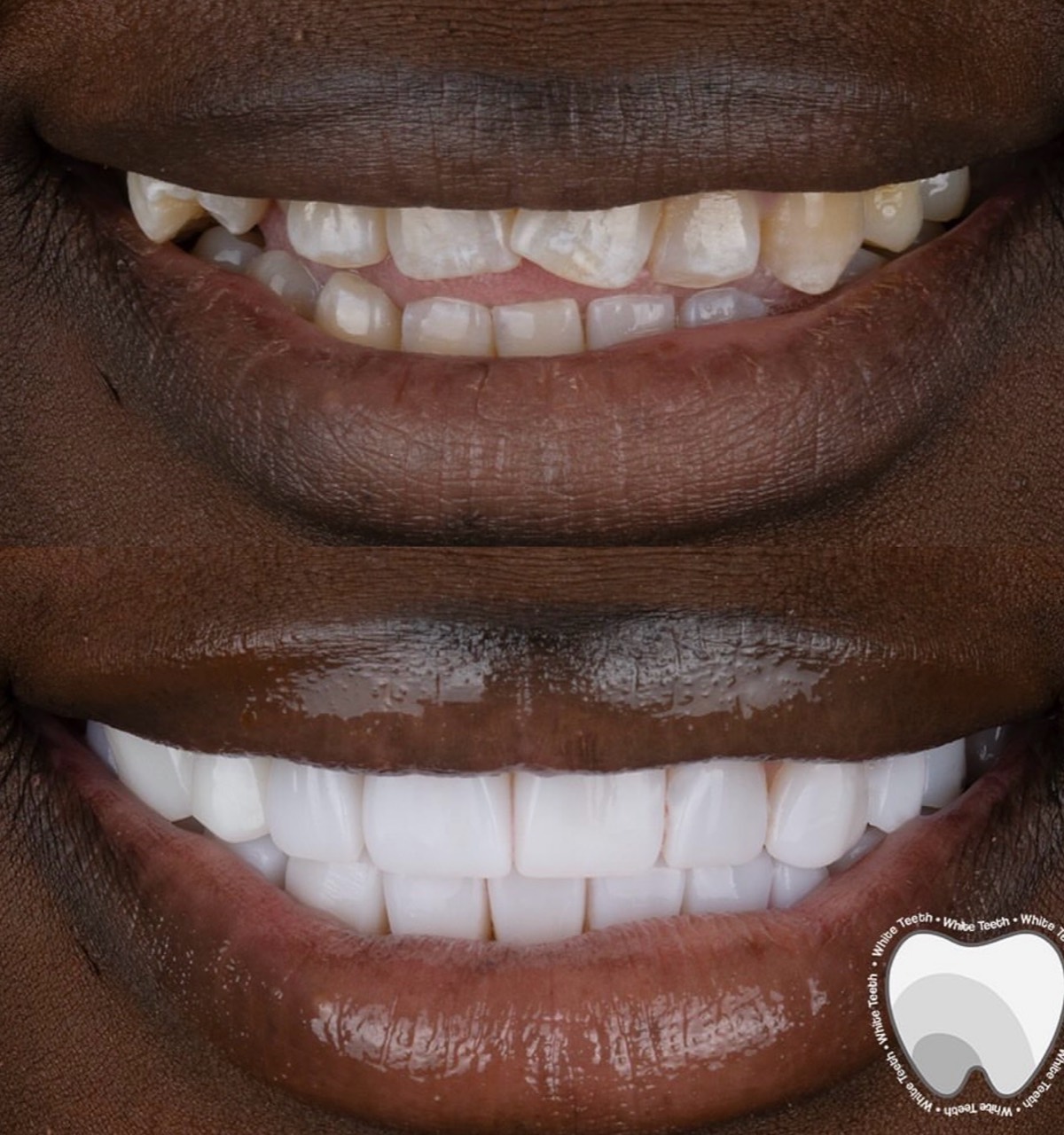
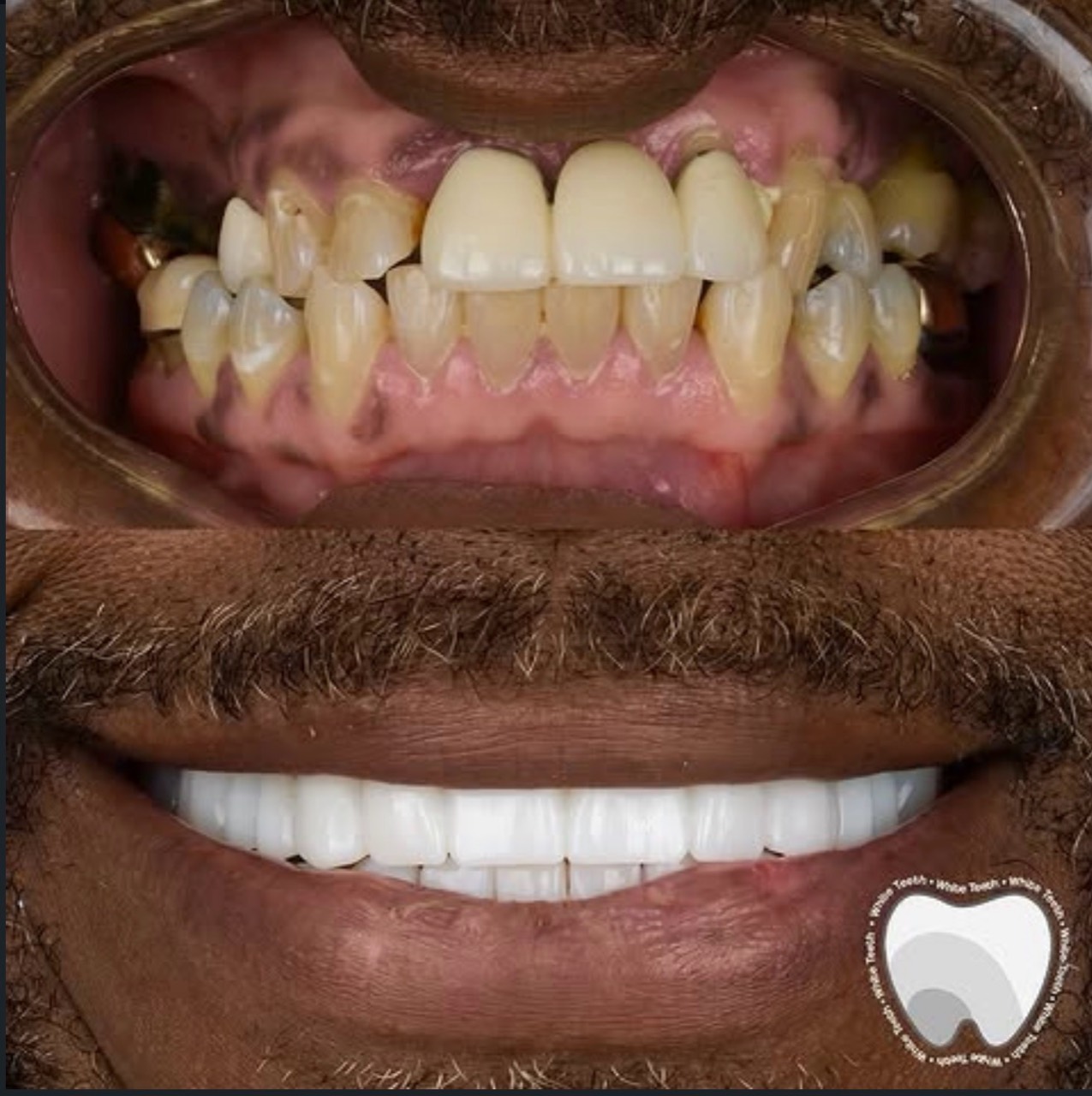
What “full-mouth restoration” means
Full-mouth restoration describes coordinated care across many teeth or an entire arch. It may be considered when a person has widespread decay, missing teeth, broken restorations, severe wear, infection or a combination of functional and aesthetic concerns. It is not synonymous with placing crowns on every tooth.
The questions a comprehensive diagnosis must answer
- Which teeth are healthy, restorable or not predictable to maintain?
- Are gums and supporting bone stable?
- What caused the damage, and will that cause remain after treatment?
- How should the bite and tooth position support function?
- Which areas need implants, bridges, crowns, veneers or no restoration?
- Can the patient clean and maintain the proposed design?
Photographs can communicate the visible concern but usually cannot answer these questions alone. Examination, radiographs and sometimes three-dimensional imaging are needed.
Treatments that may be combined
A plan can include periodontal care, decay treatment, root canal therapy, extractions, bone management, dental implants, crowns, bridges, veneers or removable options. The combination should preserve healthy tooth structure when possible and address disease before final cosmetic restorations.
Patients should understand the purpose of each procedure and what alternative options exist. A treatment proposal should identify which teeth receive which restoration.
Why sequence and provisional testing matter
Complex treatment is often divided into disease control, surgical or healing phases, provisional restoration and definitive care. Temporary or provisional teeth can help evaluate appearance, speech, bite and cleanability before the final restorations are completed.
When healing is necessary, travel may involve separate visits. Compressing every phase into one short stay is not appropriate for every patient.
Cost and travel planning
Cost depends on the number of teeth, prognosis, implants, grafting, restorative materials, laboratory steps and the number of visits. A veneer package price should not be applied to a full-mouth rehabilitation without diagnosis. Request a written preliminary scope, then expect the plan to be confirmed in Cali.
Include airfare, accommodation, time away, return visits and long-term maintenance in the total budget. See the dental tourism planning guide before scheduling.
Long-term maintenance is part of the treatment
Restored mouths still require plaque control, professional cleaning, examinations and management of grinding or other risk factors. Components can wear, chip, loosen or need replacement. Before leaving, know how to contact the team, what records you will receive and where urgent local care should be obtained.
This information explains the planning process. It cannot determine which teeth can be preserved or which procedures you need.