How to read dental before-and-after photos
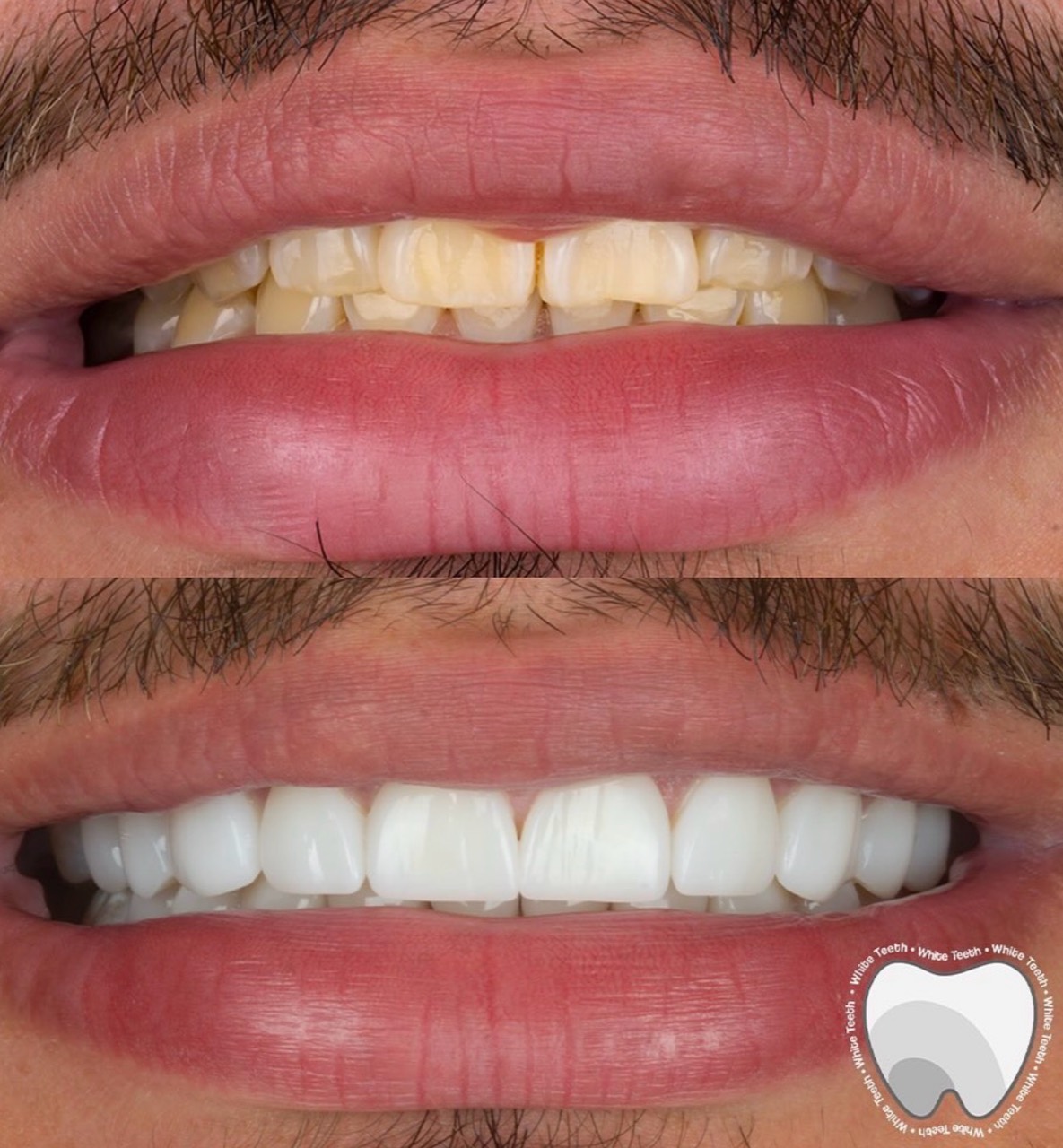
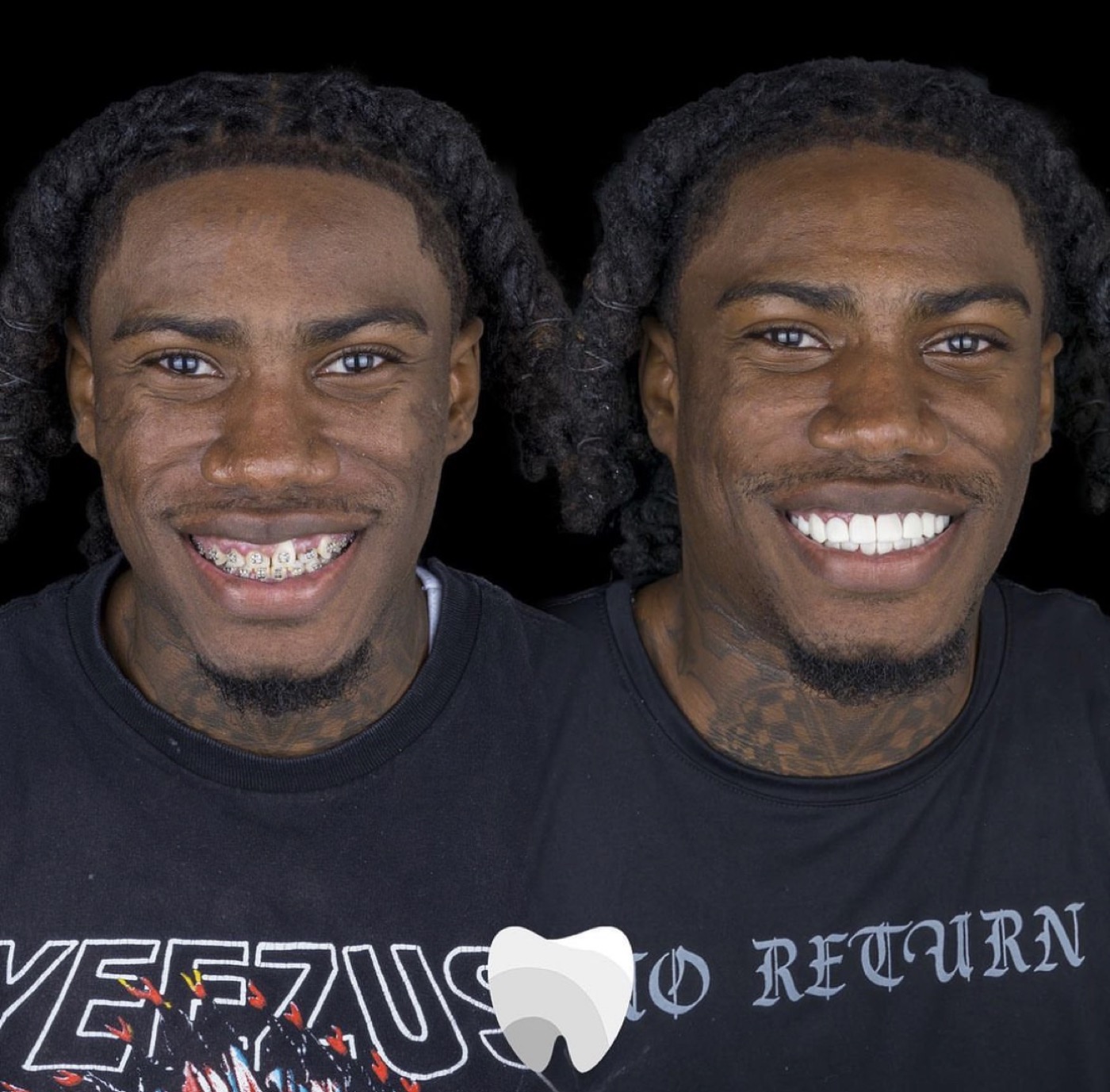
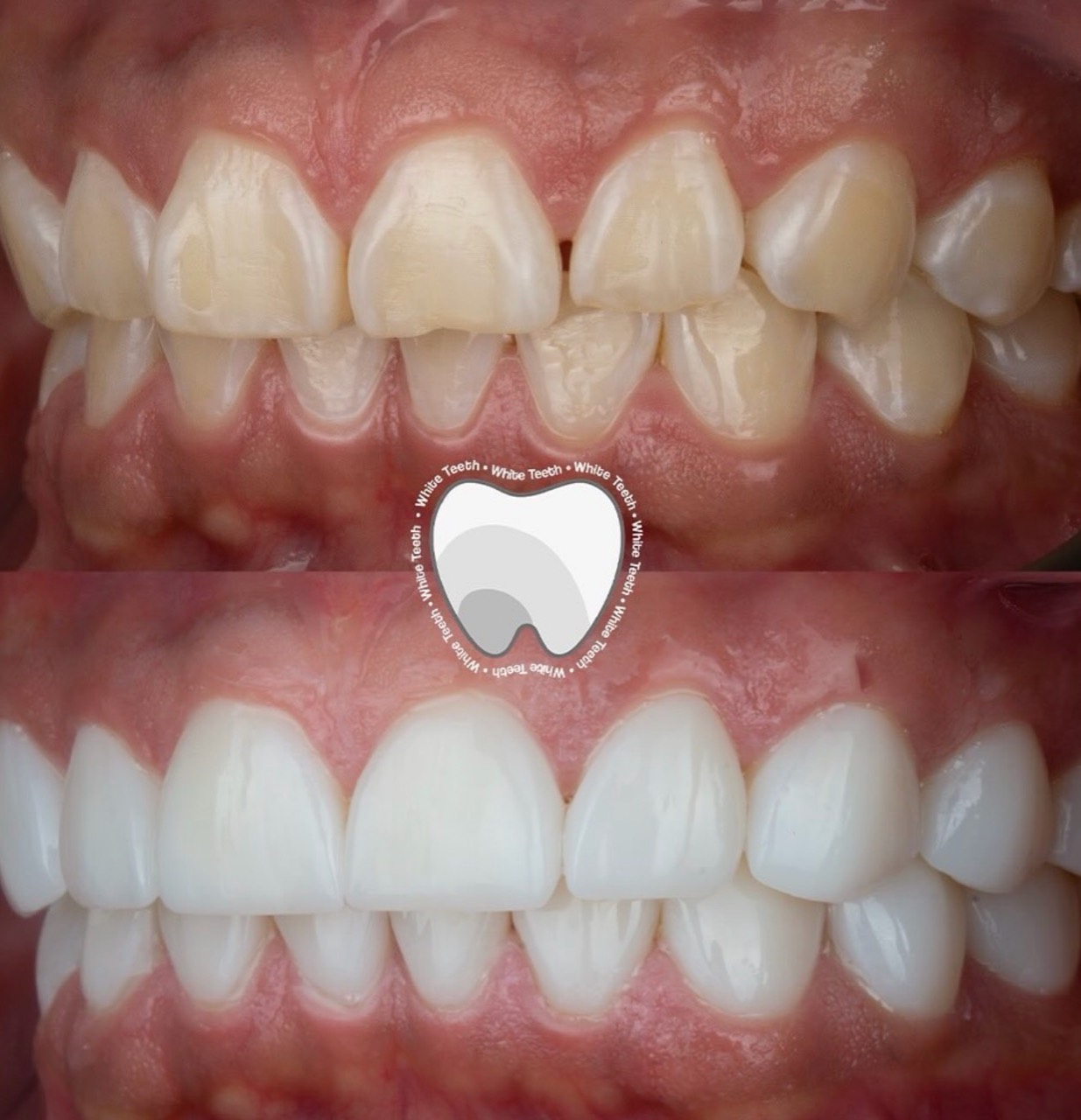
Look beyond whiteness. Consider tooth proportion, edge position, symmetry, the transition into the gums and whether the final smile appears consistent with the patient’s face. Different lighting, camera angle and lip position can change how a result looks, so a single image should not be the only basis for a treatment decision.
What documented cases can reveal
- The range of starting conditions a team has photographed.
- How shape and proportion vary from one patient to another.
- Whether the gallery includes close-ups as well as lifestyle portraits.
- How the clinic identifies and protects its original visual material.
White Teeth Colombia uses original patient photographs throughout this website and links to its official Instagram profile for additional cases and patient moments.
What a gallery cannot prove
A photograph cannot show bite, sensitivity, gum health, the amount of tooth preparation, radiographic findings or long-term maintenance. It also cannot guarantee that another person can receive the same material, tooth count, schedule or aesthetic result.
Every case begins with a different condition and responds differently. Before-and-after images are educational evidence of prior cases, not a promise of a specific result.
Featured patient cases
Alignment and proportion
Visible changes in tooth proportion and color planned for this individual case.
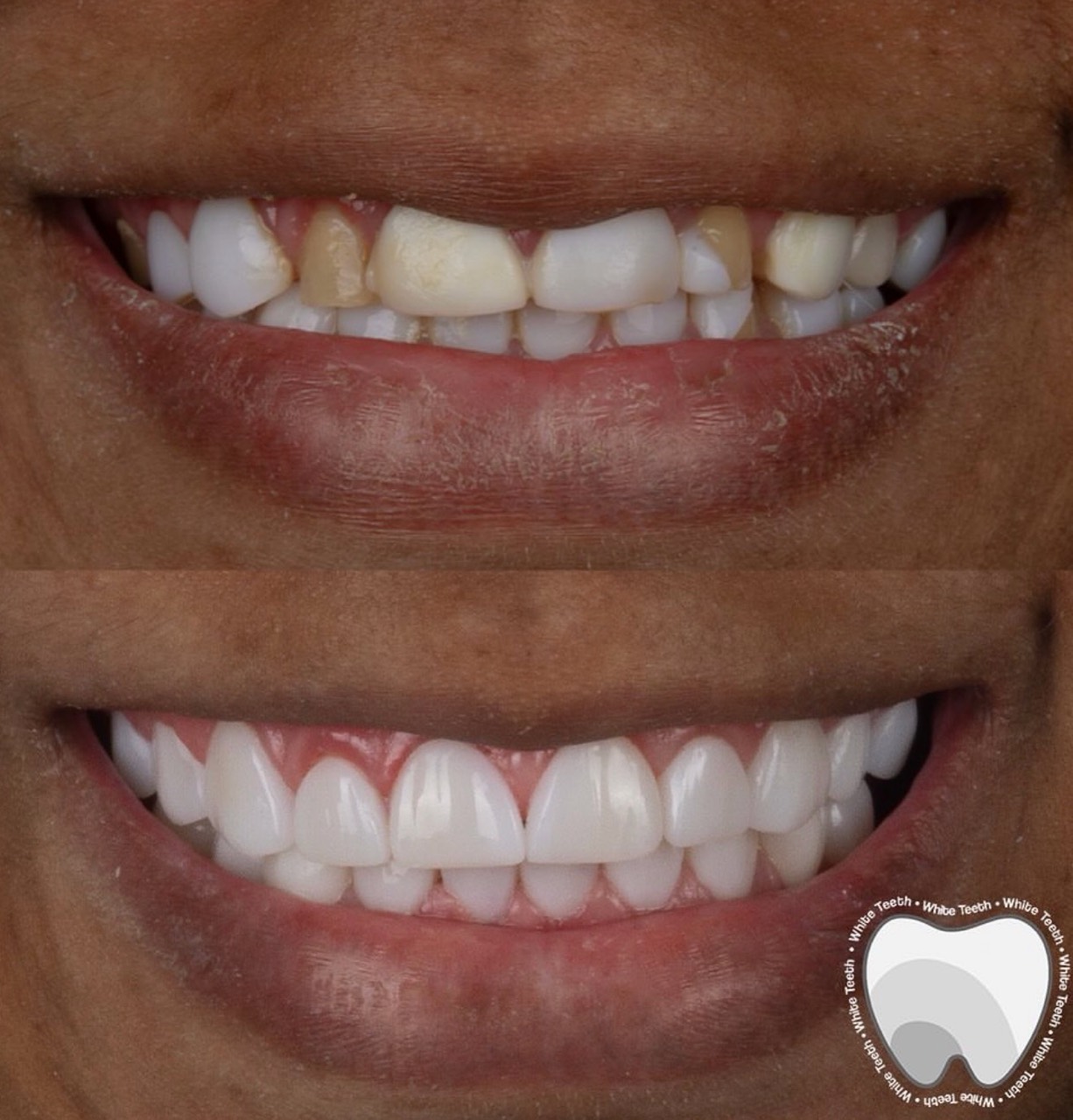
Natural smile design
A before-and-after view showing the selected shape and brightness.
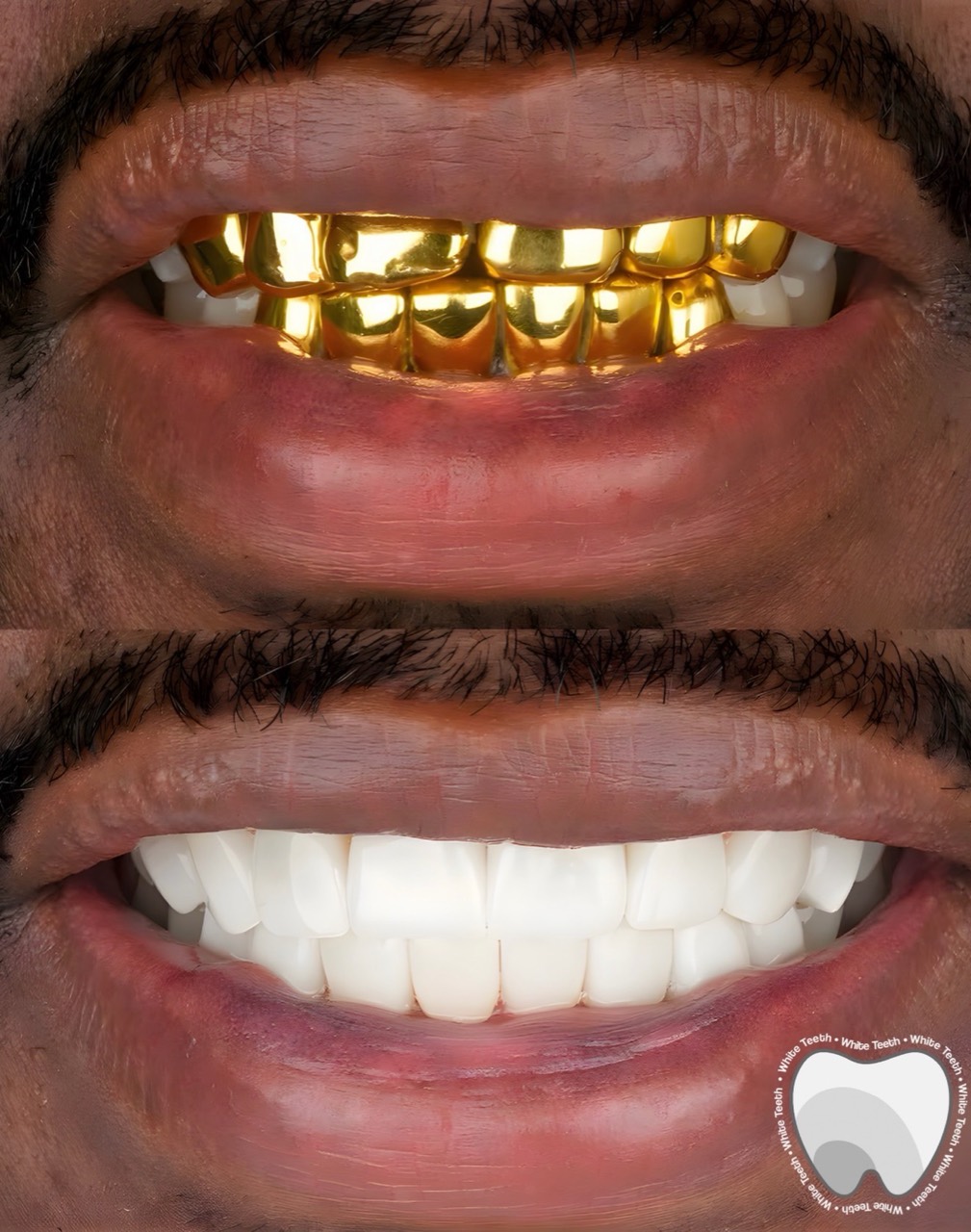
Material transformation
A significant starting-point change requiring individualized restorative planning.
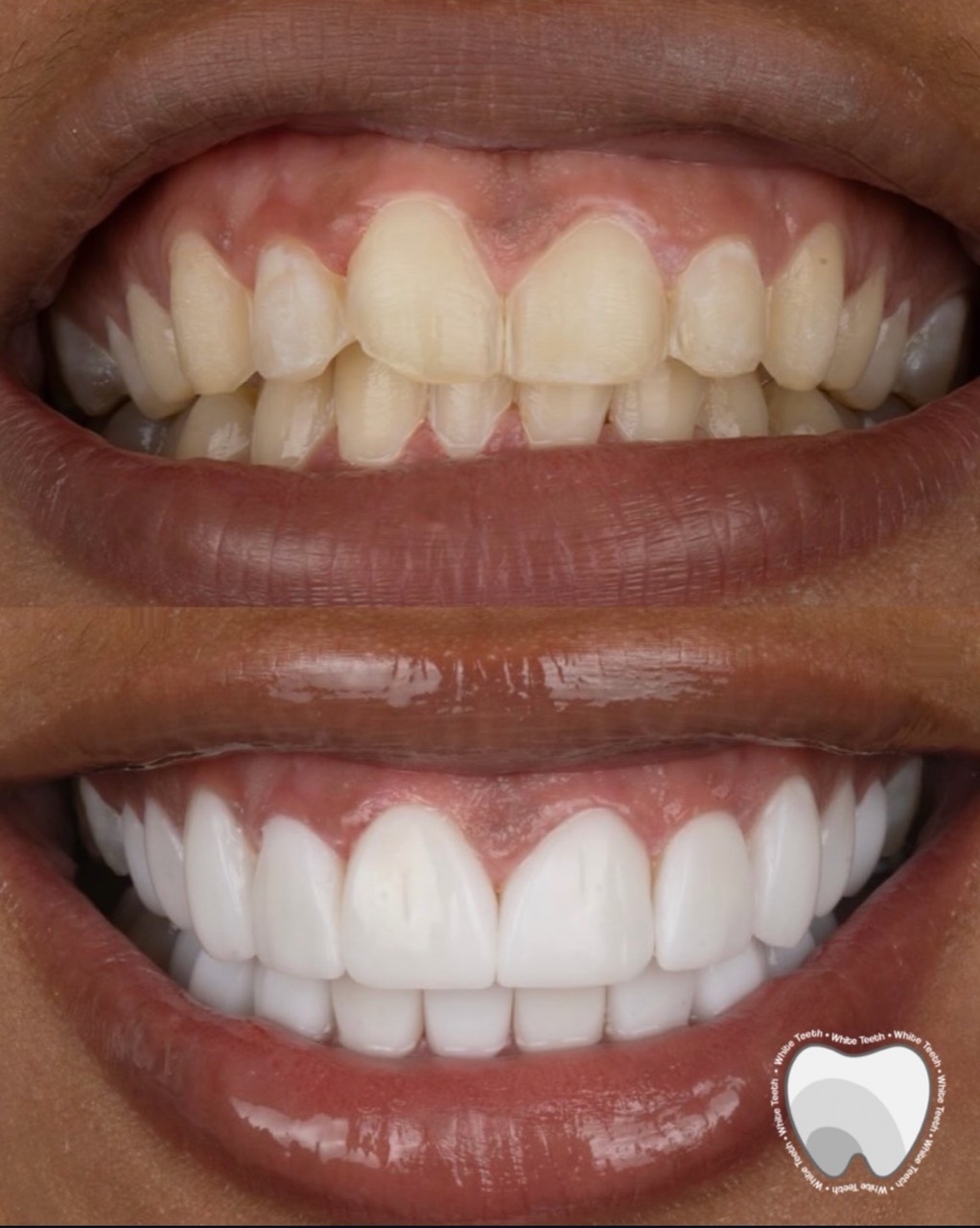
Complete visible smile
Upper and lower visible smile changes documented in one frame.
The next useful result is a review of your case
Submit clear upper, lower, bite and side images through the secure evaluation. The team can identify what information is missing, discuss a preliminary scope and tell you whether an in-person veneer assessment appears reasonable before travel.