What a dental implant plan includes
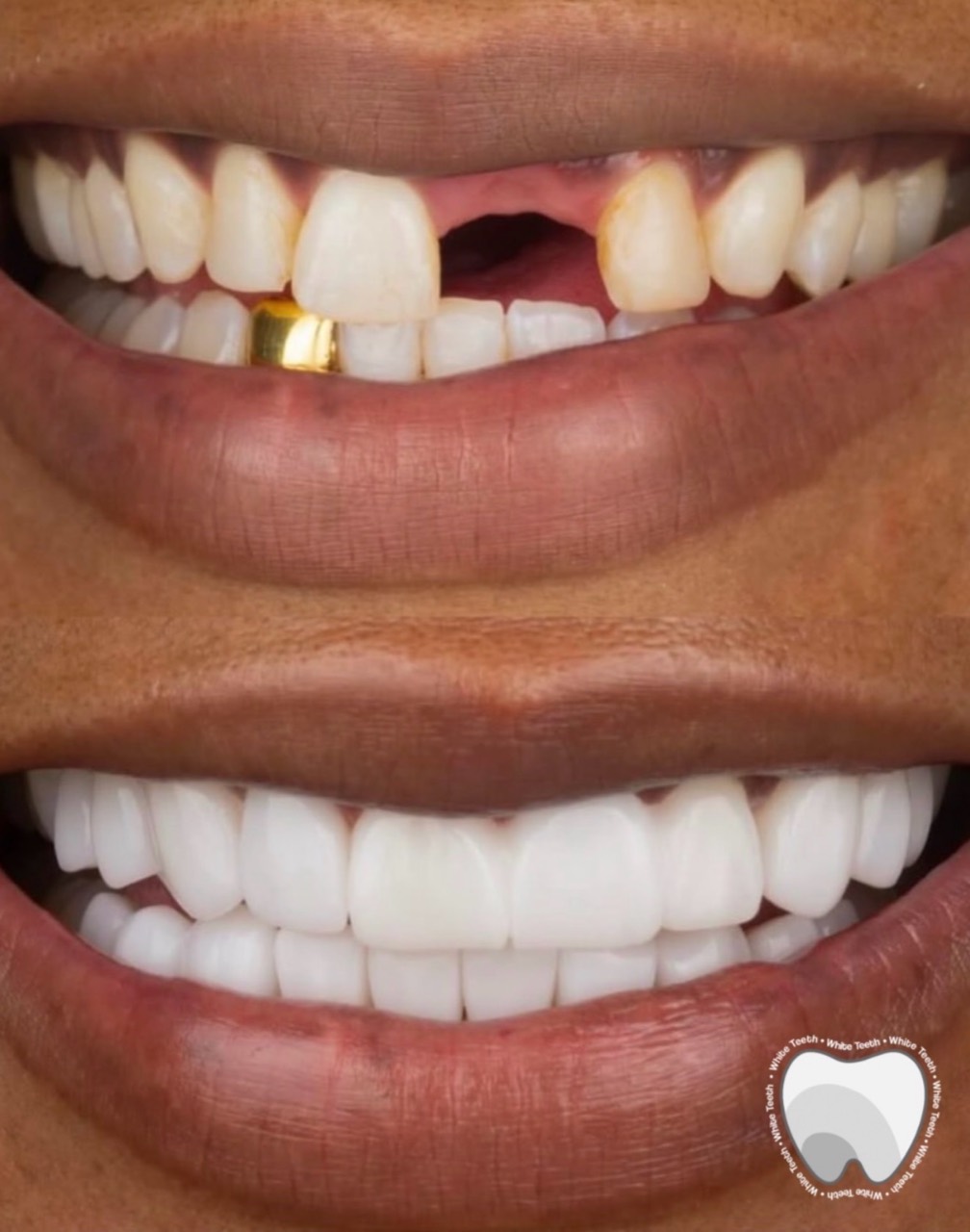
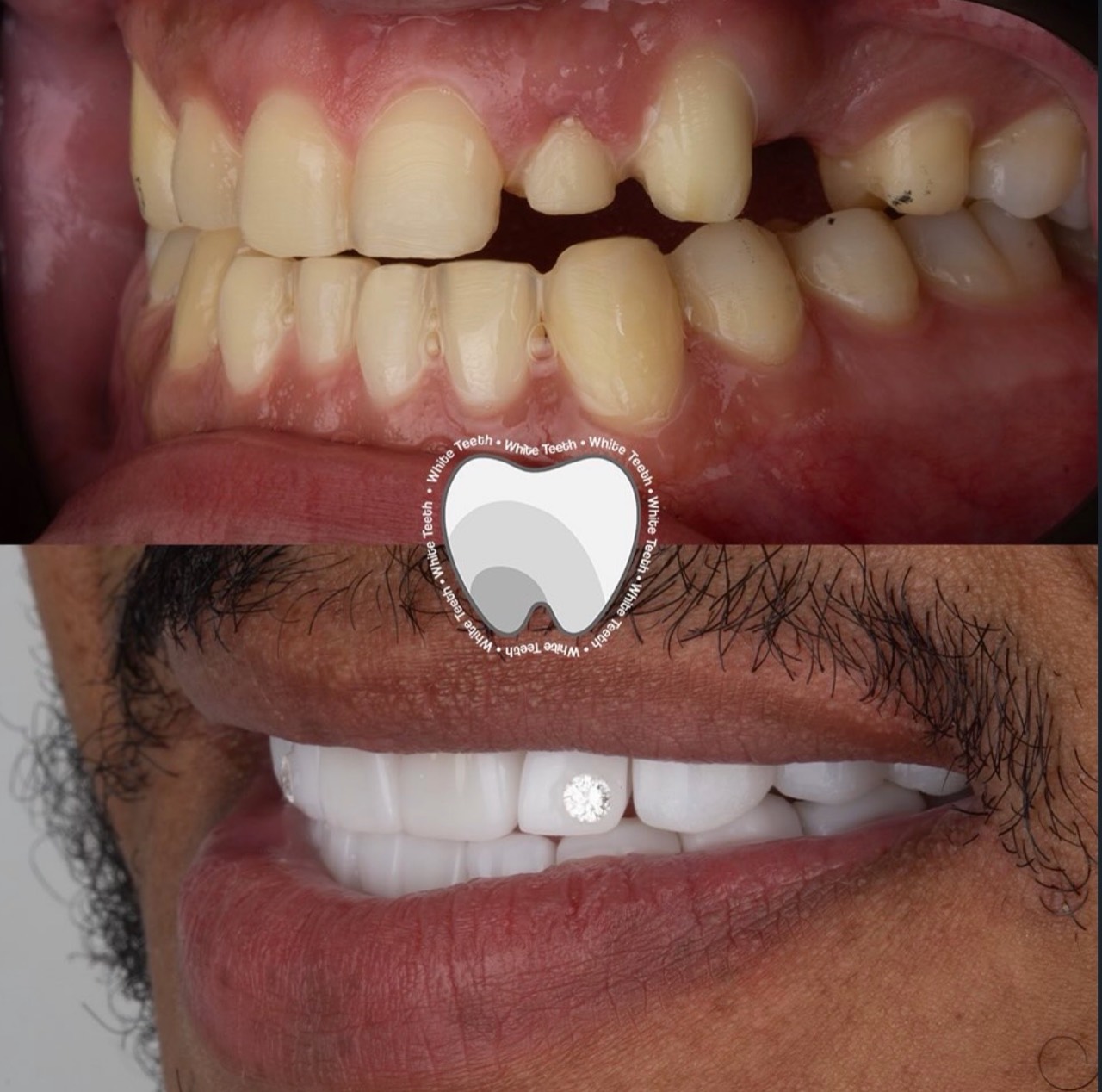
A dental implant is a component placed in bone to support a replacement tooth or a larger prosthesis. The visible crown is only one part of treatment. Planning may include extraction, bone or gum management, implant placement, a temporary solution, healing and the final restoration.
A missing tooth does not automatically mean an implant is the only option. Location, neighboring teeth, bone, medical history, hygiene and patient preference must be evaluated.
Candidacy cannot be confirmed by a smile photo
Photographs are useful for intake, but implant planning often requires three-dimensional imaging and a clinical examination. The clinician considers available bone, gum health, infection, bite, smoking, healing conditions, medication and the planned final tooth position. Some patients require grafting or treatment of disease first.
Why implant treatment may require stages
- Clinical consultation and diagnostic imaging.
- Removal of a failing tooth or treatment of infection when necessary.
- Bone or soft-tissue procedure if the site needs support.
- Implant placement and a healing period determined by the case.
- Restorative records and delivery of the final crown, bridge or full-arch prosthesis.
Some steps can occur together, while others should not. A promise that every implant case is permanently finished in a few days should be questioned.
Planning international implant visits
Before purchasing travel, clarify how many visits are expected, the minimum stay for each stage and who will provide urgent care after you return. Build flexibility around surgery and avoid an itinerary that conflicts with clinical review. Share current medications and relevant health history with the treating clinician.
What changes dental implant cost in Colombia?
- Number and position of implants.
- Extraction complexity and infection management.
- Bone grafting, sinus procedures or soft-tissue treatment.
- Temporary teeth and the final restorative material.
- Single crown, bridge or full-arch design.
- Imaging, sedation when indicated and number of visits.
An implant estimate should identify the surgical and restorative components rather than present one vague package number.
Risks, maintenance and remote follow-up
Implant surgery can involve pain, swelling, infection, nerve or sinus complications, failure to integrate and future mechanical or gum problems. Long-term success depends on hygiene, professional maintenance and management of risk factors. Obtain urgent local care for severe or worsening symptoms; remote messaging cannot replace an examination.
The online evaluation begins coordination but does not diagnose implant candidacy. The final plan requires examination and appropriate imaging.