The core material difference
Porcelain veneers are ceramic restorations fabricated outside the mouth and bonded to prepared tooth surfaces. Composite veneers use tooth-colored resin that can be shaped directly on the teeth or fabricated indirectly. Neither label describes quality by itself; diagnosis, technique, bite and finishing remain essential.
Porcelain and composite side by side
| Question | Porcelain veneers | Composite veneers |
|---|---|---|
| Fabrication | Usually laboratory-made ceramic restorations. | Resin shaped directly or indirectly. |
| Color stability | Ceramic generally resists surface staining well when maintained. | Resin can stain or lose polish and may need maintenance. |
| Repair | Chips or fractures can require complex repair or replacement. | Often easier to add to or repair directly. |
| Visits and cost | Laboratory process generally increases time and initial cost. | May be completed more directly with lower initial cost, depending on scope. |
| Preparation | May require enamel removal and is commonly irreversible. | Preparation can be more conservative in some cases, but this is not guaranteed. |
Does one option require less tooth reduction?
Preparation is determined by position, color, existing restorations and the thickness needed for the planned material. “No-prep” is not suitable for every smile and can create excessive bulk when used without enough space. The ADA notes that enamel is often removed for veneer placement and the procedure is generally not reversible.
Review the American Dental Association’s overview of veneer treatment and maintenance.
Appearance, staining and maintenance
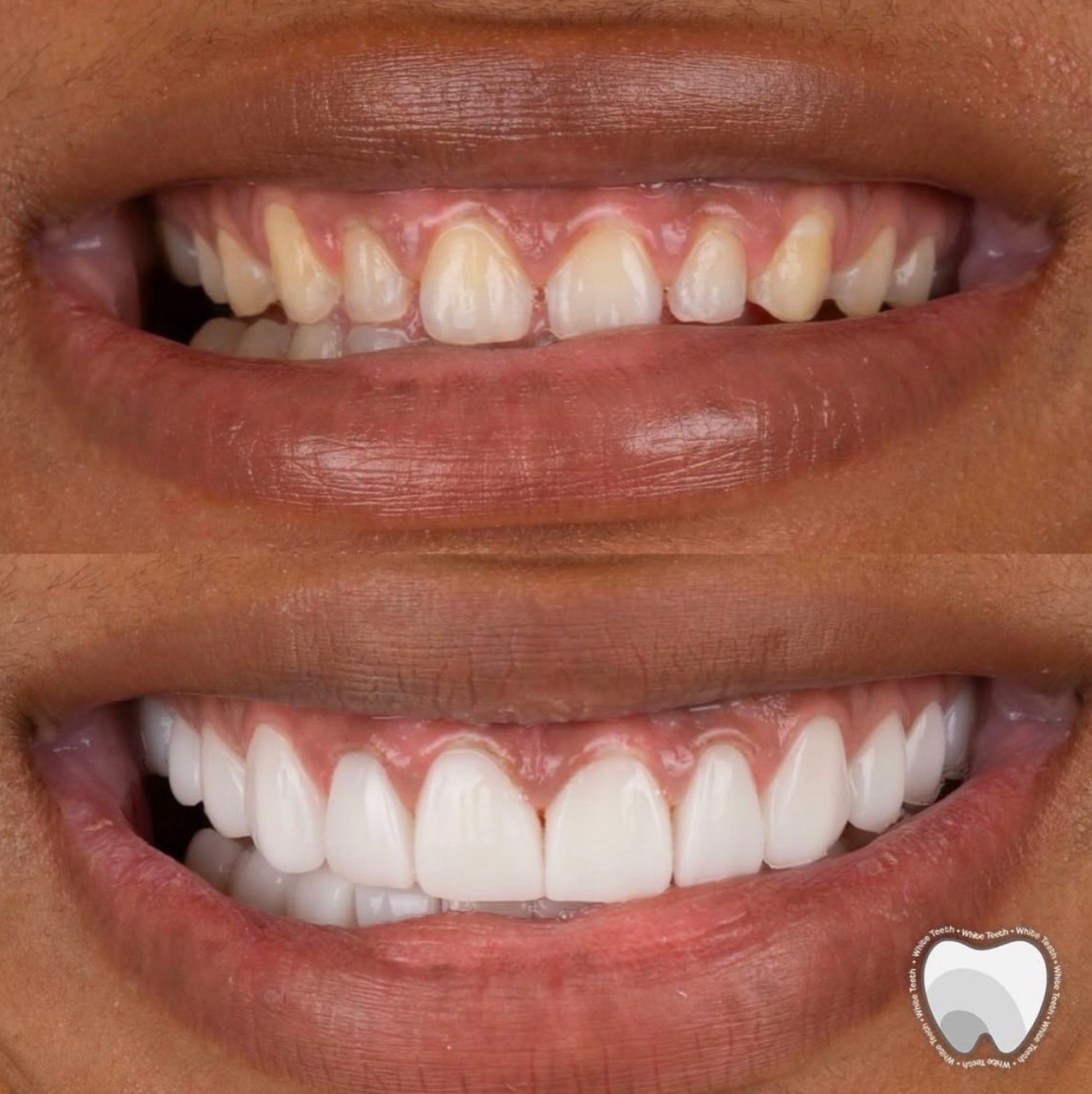
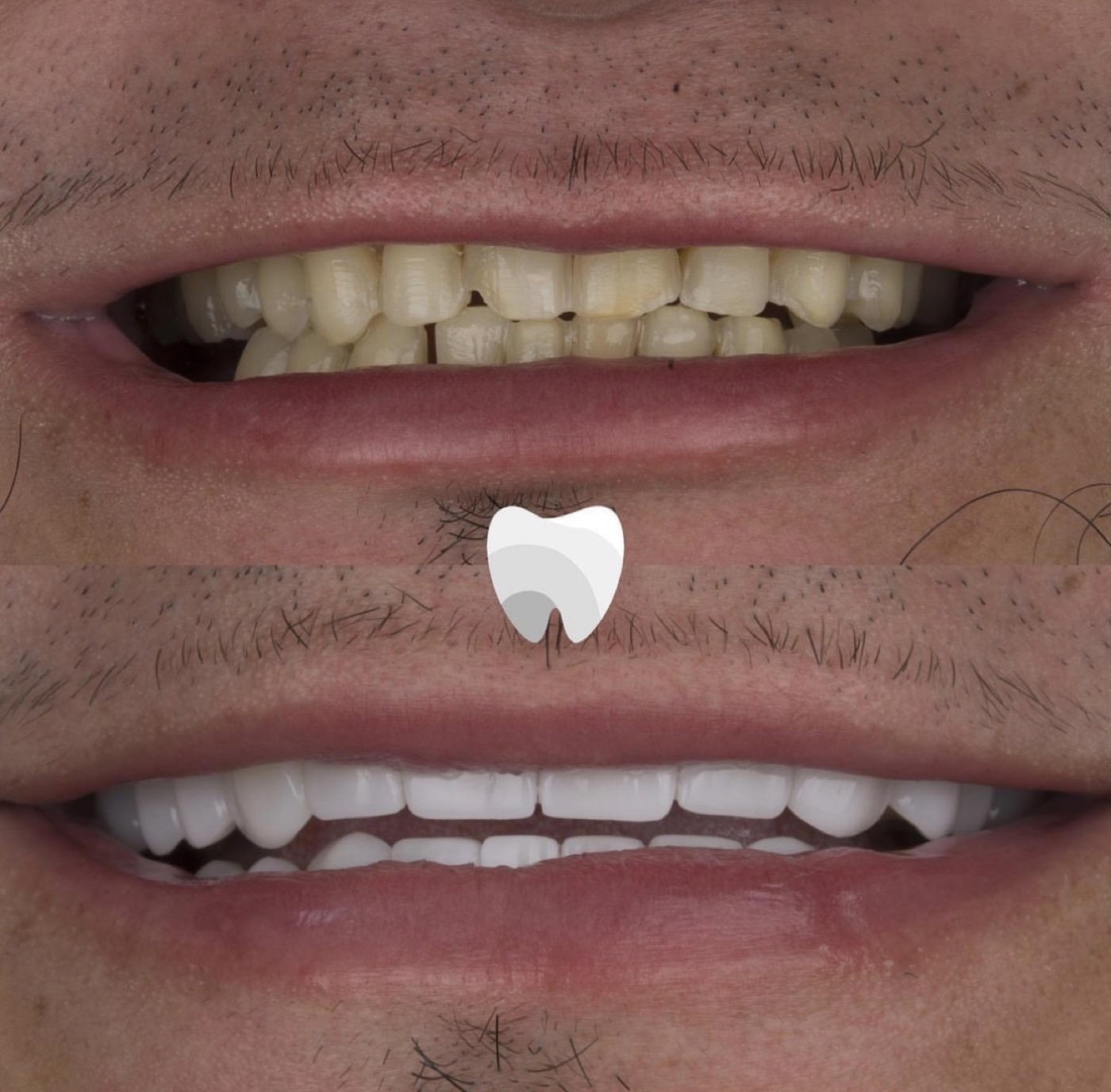
Both materials can look natural when shape, texture, shade and edge position are handled carefully. Porcelain can reproduce translucency and resist staining, while composite can be polished and adjusted directly. Composite typically needs more surface maintenance; porcelain is not maintenance-free and can still chip or require replacement.
Daily brushing, interdental cleaning, professional maintenance and bite protection when indicated remain important for either material.
Questions that help make the choice
- How much color change or shape correction is required?
- Is there enough healthy enamel for predictable bonding?
- Do you clench, grind or have an unstable bite?
- How important are future repairability and initial budget?
- Are there existing crowns, large fillings or missing teeth?
- Can you commit to maintenance and future replacement?
A private photo review can begin the conversation, but the final recommendation should follow clinical examination.